
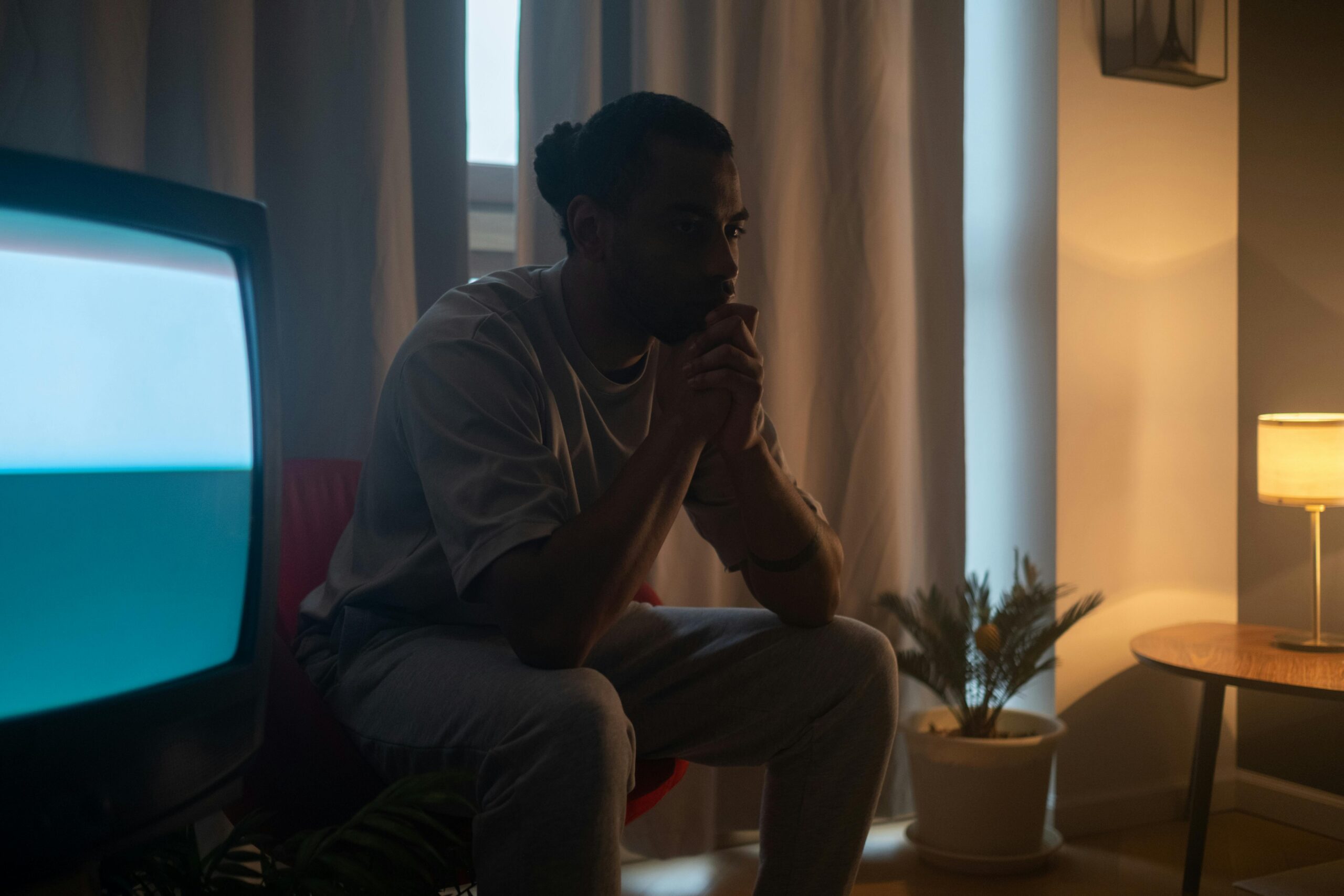
What happens to us when we hold in our thoughts, emotions, and desires?
There is a big difference between being alone and feeling alone. The difference between seclusion and isolation is staggering in regards to our emotional wellbeing. While this is true regardless of gender and cultural, in western cultures, this tends to have a bigger impact on men. According to an article published by The Clayman Institute for Gender Research at Stanford University, 1 out of 4 men have zero close relationships in their lives and rates of isolation and loneliness are on the rise among men. One explanation for these increases of rates in men specifically come from the values and expectations men have had placed on them and hold in western societies. Among these values we see stereotypically masculine traits such as hyper-independence, stoicism, strength, control, and rationality which tend to be at odds of what men actually need, connection.
In response to these expectations and values in society, many men hide their pain, isolate their experience, and lock away access to their vulnerable parts. I think it is important to take a closer look at what isolation does when it is a prolonged experience. When we isolate ourselves and our experience from others, we amplify what’s already there. If I am feeling lonely, confused, and in pain, and then I isolate as a means to protect myself, I only magnify what is under the surface which makes it an even bigger burden to lay on someone else. In my many years of working with men, a common theme has emerged, the theme of “feeling like I’m too much for other people.” Many man can feel like their problems, feelings, or experience is “too much” to burden someone else with, so they continue to push their pain deep inside. Thanks to work of many people including Bessel van der Kolk, we now know how traumatic and painful emotions can get trapped in the body and have profound effects on not only our mental health but our physical health too. This is not only a crisis of connection but also one of the holistic self and community health.
So what can you do?
Feeling seen and heard is a vital condition for psychological and emotional safety. Our brains are hardwired to look for signs that were not only alive but connected and safe. According to the “Triune Brain” model by neuroscientist Paul Maclean in the 1960s, the brain consists of three important parts that all work together to manage our survival, emotional functioning, and higher thinking skills. Our instinct and survival part, known as the Reptilian brain, seeks feedback from our environment to constantly check… “am I alive?!” This is where our fight/flight/freeze/fawn responses come from and a big reason why we have so much trouble connecting and communicating when this part of our brain is in control. Having someone respond to reassure us that we are here and that they are receiving what were putting out helps us calm this part of the brain. The Limbic System, also known as the emotional brain, is where emotions get registered and when we are unable to process or connect with others around them, we hold on to them causing emotional pain and suffering. Finally, the Neocortex, or the logic part of the brain, is looking out for what makes sense and when someone is able to validate our experience, it helps us not feel crazy for thinking and feeling the way did in the situation. All three of these parts of our brain require someone else to help us feel safe, secure, and grounded. This is why going through our pain and emotions alone is so damaging, because it’s an impossible task.
Finding a place to connect can be challenging especially in the age of digital friendship and community. Luckily there are many places to seek connection and community right here in Victoria. The Men’s Therapy Centre, your local community center, Men’s circle at University of Victoria, and even here at PRYSM Counselling.
Share this article...

Hi I'm Stephen, a Registered Clinical Social Worker, counsellor, and men's group facilitator based in Victoria, working with clients all across British Columbia.
